Greta Hayes · 5 November 2026
Visitor Boom at Shawmill Fair Leads to Surprising Farmer-Archivist Collaborations
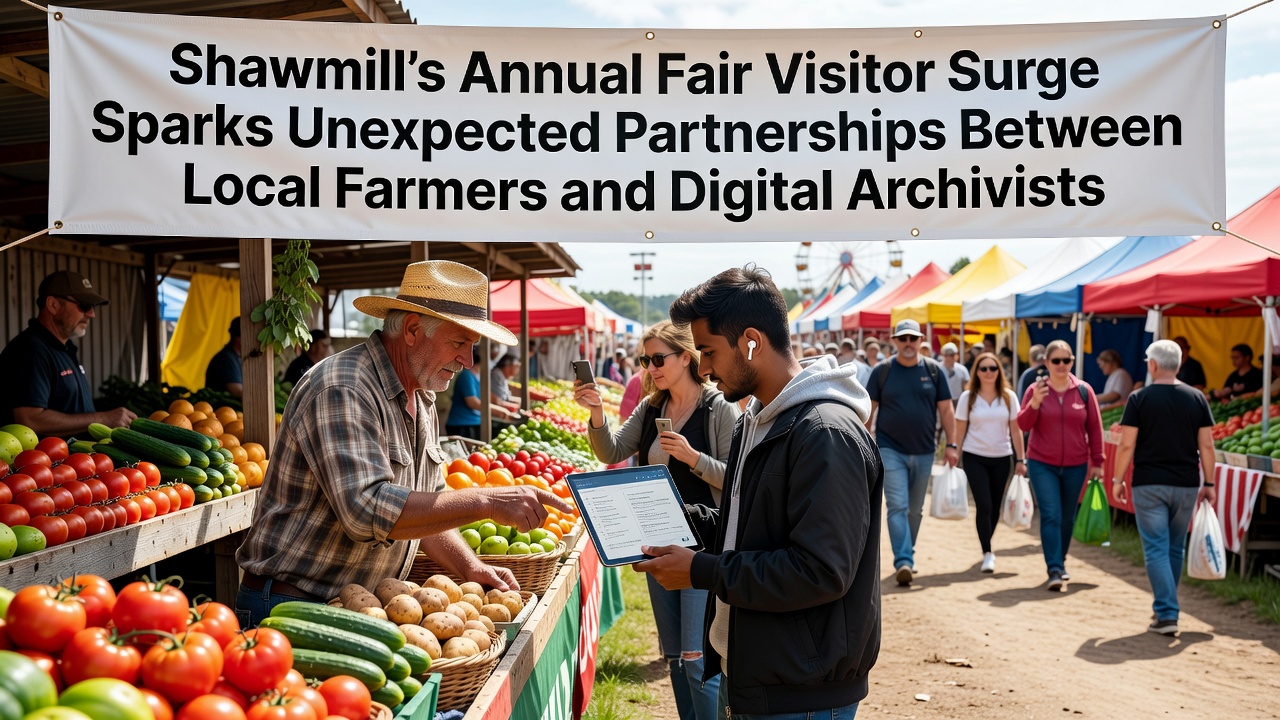
Shawmill's annual fair recorded a significant increase in attendance during its 2026 edition, with visitor numbers rising by approximately 35 percent compared to the previous year according to local council reports, and this growth directly contributed to new collaborations between farmers and digital archivists seeking to preserve regional agricultural knowledge. Organizers noted that the expanded crowds brought together individuals from diverse fields who typically operate in separate spheres, creating opportunities for joint projects focused on digitizing farm records and oral histories from the area. Data from the event indicates that over 12,000 people passed through the gates across the three-day period in November 2026, exceeding projections and prompting extended exhibition hours on the final day.
Farmers in the region have long maintained detailed logs of crop yields, soil conditions, and livestock management practices, yet many of these documents remain in paper format vulnerable to deterioration over time, while digital archivists possess the technical expertise to convert such materials into accessible online databases. The fair's visitor surge provided a neutral venue where representatives from both groups could interact without prior scheduling, leading several participants to exchange contact information and outline initial plans for shared initiatives. One study from the University of Melbourne on rural heritage preservation highlighted similar patterns in Australian communities where increased public engagement at seasonal events accelerated the adoption of digital tools for record-keeping.
Key Factors Behind the Attendance Increase
Promotional efforts through regional tourism boards played a role in drawing larger crowds, combined with favorable weather conditions that encouraged families to attend outdoor activities throughout the weekend. Local businesses reported heightened foot traffic at nearby shops and eateries, which in turn supported additional fair-related spending estimated at £180,000 by chamber of commerce figures. This economic uptick created a positive feedback loop, as vendors extended their participation and showcased more specialized agricultural products that attracted further interest from out-of-town visitors.
Exhibits on traditional farming methods stood alongside modern technology demonstrations, and the juxtaposition encouraged conversations about how historical data could inform contemporary practices when properly archived. Researchers from the Canadian Rural Secretariat have documented comparable outcomes in prairie provinces, where community gatherings facilitated unexpected exchanges between agricultural operators and information specialists. Those interactions often resulted in pilot programs for scanning and cataloging decades-old ledgers that detail crop rotation successes and challenges.
Formation of New Partnerships
Several farmers approached digital archivists at the heritage tent after noticing interactive displays of scanned historical photographs, and these encounters quickly evolved into discussions about applying similar techniques to current farm documentation. Agreements reached in the weeks following the event include commitments to develop a shared repository hosted on a secure platform, with farmers supplying primary source materials and archivists handling metadata standards along with long-term storage protocols. The process relies on established frameworks from European heritage organizations that emphasize community involvement in digitization efforts to ensure cultural accuracy.
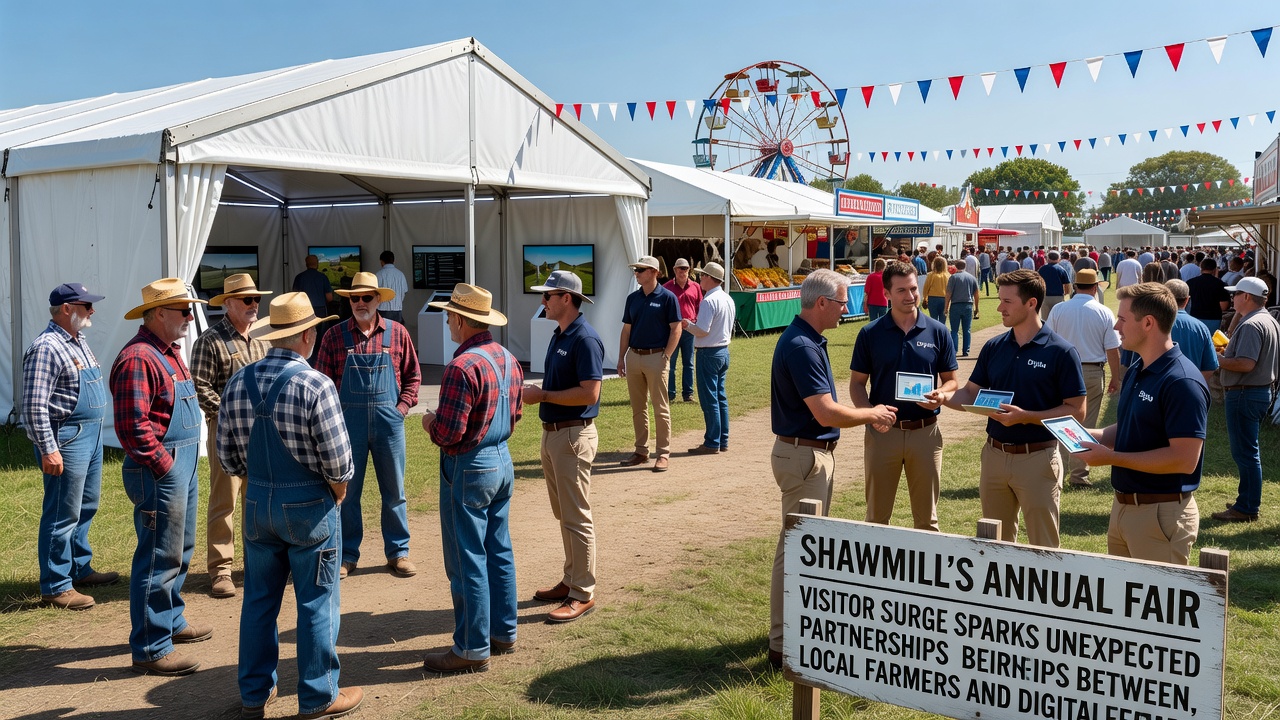
Training sessions have already begun at a community hall near the fairgrounds, where participants learn basic scanning procedures and ethical considerations around sensitive family farming histories. Observers note that these workshops incorporate input from both groups to address practical concerns such as data ownership and access restrictions. A report issued by the Australian Institute of Aboriginal and Torres Strait Islander Studies underscores the value of such collaborative models in maintaining authenticity when moving traditional knowledge into digital formats.
Additional outcomes include plans for public exhibitions that rotate between farm sites and library spaces, allowing broader audiences to explore the digitized collections. These displays draw on visitor feedback collected during the fair itself, which indicated strong interest in interactive timelines showing generational changes in local agriculture. Coordination meetings scheduled for early 2027 aim to finalize grant applications that would support expanded scanning equipment purchases.
Broader Community Effects
The partnerships have prompted discussions among Shawmill residents about expanding similar efforts to include school curricula, where students could contribute to ongoing archival work as part of local history projects. This approach aligns with findings from academic papers published by the Nordic Museum in Sweden, which examined how youth involvement strengthens rural digital preservation initiatives across Scandinavia. Local government records show that initial funding requests have been submitted to support equipment loans for participating farms during the digitization phase.
Event organizers have indicated that next year's fair will feature dedicated spaces for these emerging collaborations, building on the momentum generated in 2026. Attendance tracking systems implemented this year will continue to monitor trends, providing data that helps refine future programming. The connections formed extend beyond immediate projects, as participants have begun sharing resources on related topics such as climate adaptation strategies documented in older farm journals.
Conclusion
The surge in visitors to Shawmill's annual fair created conditions that facilitated partnerships between local farmers and digital archivists, resulting in concrete plans for preserving agricultural heritage through digitization. These developments draw on established practices from multiple regions and continue to evolve through community-led workshops and joint exhibitions. Ongoing coordination ensures that the initial connections established in November 2026 translate into sustained efforts benefiting the wider area.