
Greta Washington · 8 October 2026
Educational Leadership Evolutions in Shawmill Align with Rural Demographic and Economic Transformations
School administrators in Shawmill have adjusted their approaches to governance and curriculum design over recent years as population patterns shift across rural areas, with data indicating that leadership structures now emphasize collaborative decision-making alongside traditional oversight models. These adjustments coincide with broader trends in small communities where economic pressures and migration flows reshape daily operations, and observers note that October 2026 marks a point where several districts released updated strategic plans reflecting these influences.
Demographic Patterns Driving Administrative Changes
Population statistics from rural regions show consistent declines in younger families alongside increases in older residents, prompting Shawmill educational leaders to prioritize programs that address multi-generational needs while maintaining core academic standards. Researchers at institutions tracking these movements report that enrollment fluctuations have led administrators to form partnerships with local businesses for vocational training initiatives, and this development mirrors findings from similar communities where economic diversification becomes essential for sustainability. Data compiled by the United States Department of Agriculture highlights how rural employment sectors influence school funding priorities, which in turn affects hiring practices and professional development opportunities for educators.
One study from the Australian Institute of Family Studies examined parallel situations and found that leadership teams often integrate community input sessions into planning cycles to better align resources with actual resident requirements. In Shawmill this has translated to revised board meeting formats that include input from agricultural cooperatives and healthcare providers, creating pathways for shared problem-solving on issues like transportation access and digital connectivity gaps.
Integration of Technology and Community Resources
Leadership transitions in local schools have incorporated expanded use of online platforms for instruction and administration, a response to infrastructure improvements that reached completion phases in late 2025. Figures from regional development agencies indicate that broadband expansions enabled these upgrades, allowing educators to coordinate with distant specialists on specialized courses in areas such as environmental science and agribusiness management. Those who've tracked these implementations note that training sessions for staff now occur quarterly rather than annually, reflecting the pace of technological adoption across rural networks.
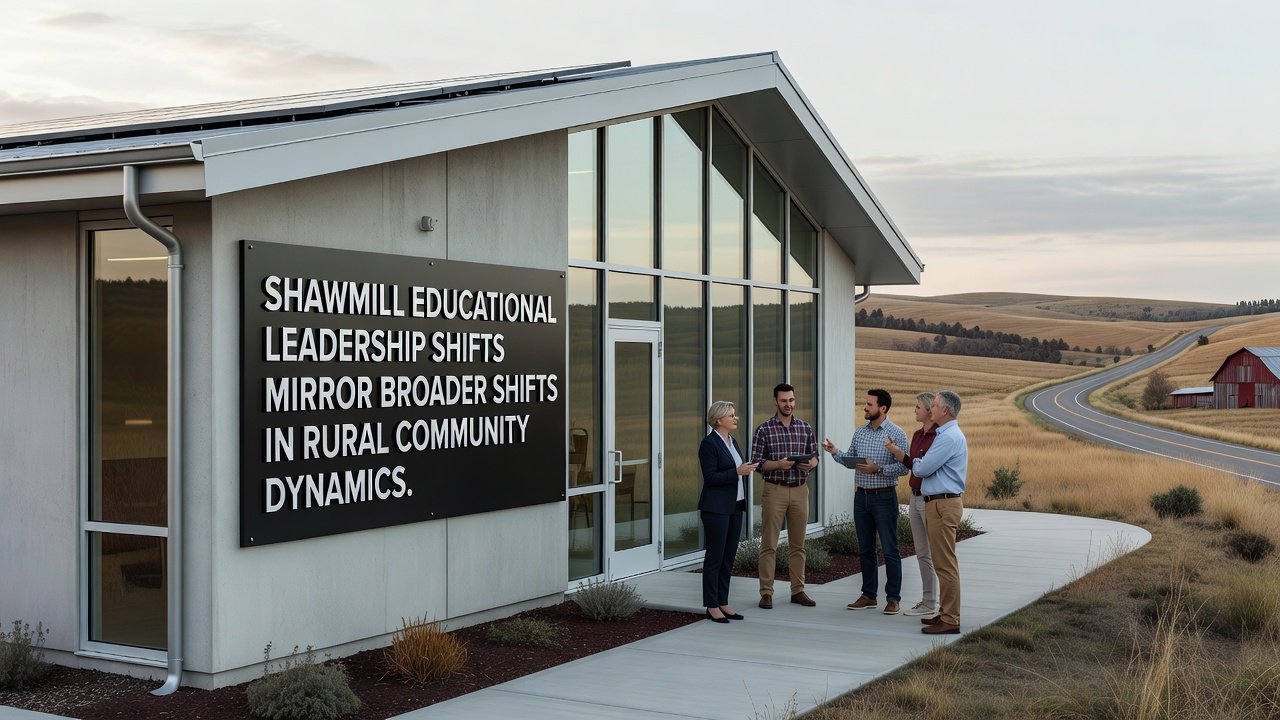
Community organizations have contributed by offering facilities for after-school programs, which reduces facility costs while strengthening ties between educational institutions and resident groups. Evidence suggests these arrangements support retention of teaching personnel who value the collaborative environment, and similar models appear in reports from Canadian rural revitalization projects where cross-sector alliances produce measurable gains in program participation rates.
Policy Adaptations and Funding Mechanisms
Funding allocations for Shawmill schools now incorporate performance metrics tied to community engagement outcomes, a shift documented in administrative records from the past two fiscal cycles. This approach draws from frameworks used by various international bodies monitoring rural development, where success indicators extend beyond test scores to include metrics on local workforce readiness and intergenerational knowledge transfer. Administrators coordinate grant applications with municipal offices to secure resources for infrastructure maintenance, ensuring that facilities remain viable amid changing enrollment patterns.
Observers have documented how these integrated strategies help stabilize leadership tenure, as principals and coordinators gain support structures that address both professional and operational challenges. Reports from the European Commission's rural development directorate outline comparable policy evolutions in member states, underscoring the value of aligning educational governance with wider economic planning efforts.
Conclusion
Shawmill's educational leadership continues to adapt through structures that connect directly to evolving community conditions, with ongoing data collection providing guidance for future refinements. These alignments demonstrate how localized administrative decisions respond to measurable demographic and economic signals without requiring isolated interventions. Continued monitoring through established research channels will track the effectiveness of these integrated approaches across comparable rural settings.