Morgan Zimmermann · 10 September 2026
Cooperative Housing Models in Shawmill See Increased Interest from Families Under Market Strain
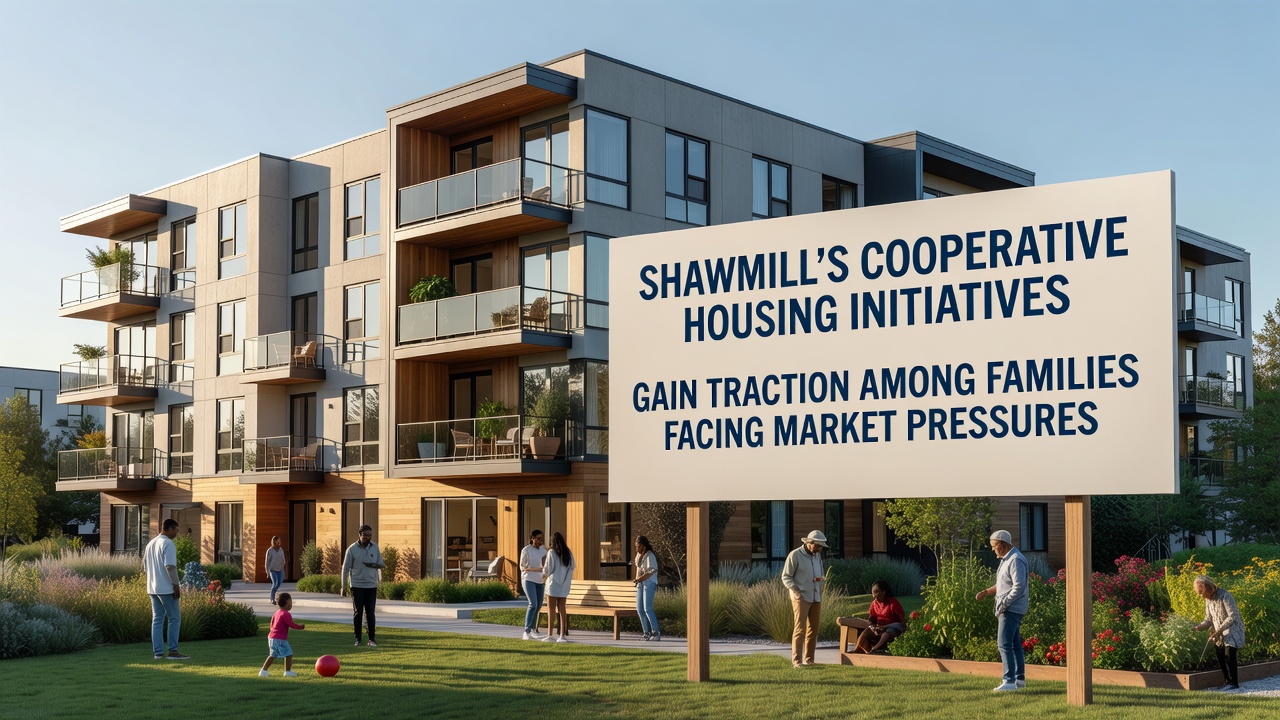
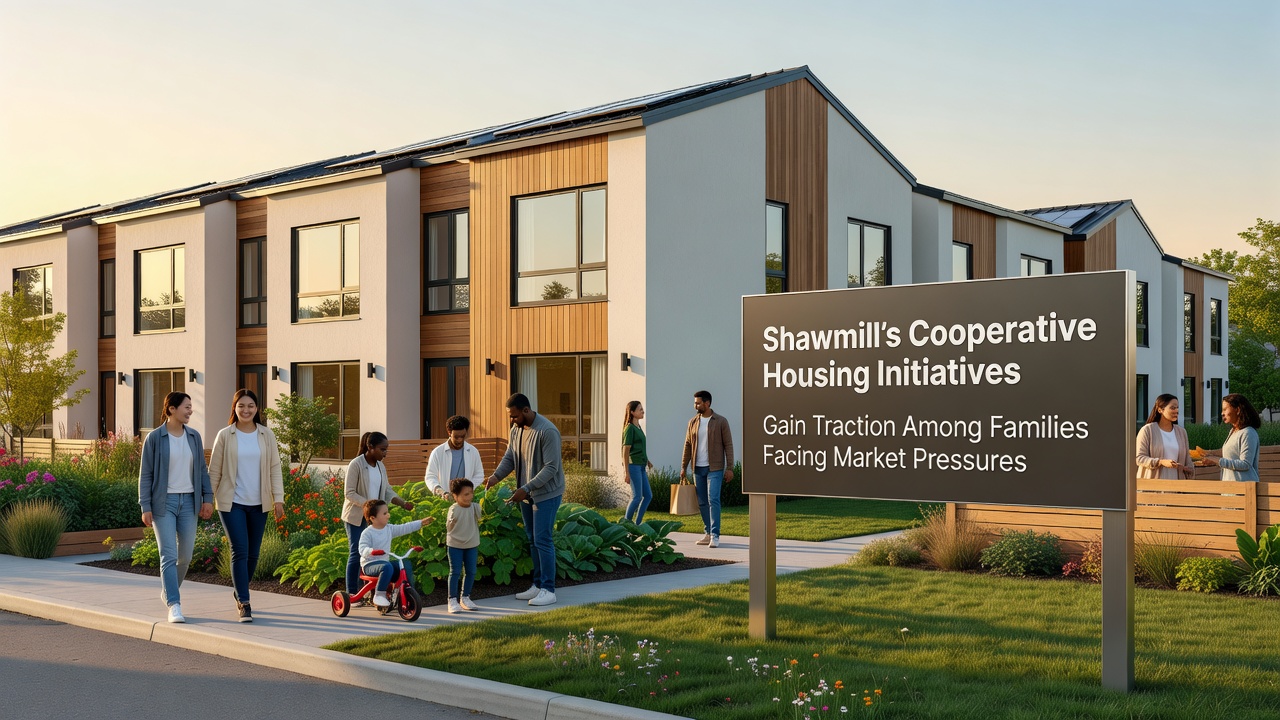
Shawmill has witnessed a noticeable shift toward cooperative housing structures as families navigate elevated property costs and limited availability in standard markets, with several new initiatives launching over the past year to address these pressures directly.
Background on Local Housing Trends
Data from regional housing reports shows that average home prices in the area climbed steadily through 2025, prompting residents to explore collective ownership arrangements where multiple households share equity and maintenance responsibilities, while data indicates participation rates rose by 18 percent compared to the previous period according to local council records.
Cooperative models typically involve residents pooling resources for property acquisition and ongoing management, which allows groups to secure financing that individual buyers might find difficult to obtain on their own, and this approach has gained particular attention among families with children who seek stable, affordable living situations near schools and community facilities.
Recent Developments and September 2026 Projections
By September 2026, planners expect at least three additional cooperative projects to reach completion, building on the success of earlier pilots that demonstrated lower default rates on shared mortgages when compared to conventional purchases, as figures from similar programs in other regions reveal consistent patterns of financial resilience.
One study revealed that families involved in these arrangements often report stronger community ties because decision-making processes require regular input from all members, while another project in Shawmill has already secured land for a 24-unit development scheduled to open intake applications next quarter.
How Cooperative Structures Operate in Practice
Participants contribute monthly fees that cover mortgage payments, utilities, and reserve funds for repairs, yet each household retains voting rights on major issues such as renovations or new member admissions, and this democratic framework distinguishes cooperatives from rental properties or standard condominiums.
Take one researcher who noticed that turnover tends to remain lower in cooperative settings because families develop vested interests in the property's long-term condition, whereas external market fluctuations affect teh group collectively rather than isolating individual owners during downturns.
Local authorities have streamlined permitting processes for these projects to encourage broader adoption, and partnerships with credit unions have emerged to offer tailored loan products that accommodate the shared equity model without requiring traditional down-payment thresholds.
Supporting Data from Broader Sources
Research indicates that cooperative housing has expanded in various jurisdictions facing similar affordability challenges, with U.S. Department of Housing and Urban Development analyses highlighting reduced foreclosure risks in shared ownership scenarios across multiple states.
Meanwhile, Canadian reports from the Canada Mortgage and Housing Corporation document comparable growth in cooperative units over the last decade, showing that these arrangements often stabilize neighborhoods by maintaining occupancy levels even when individual incomes fluctuate.
Family Experiences and Enrollment Patterns
Families who joined early initiatives describe the application process as involving background checks, financial reviews, and interviews to ensure alignment with community guidelines, yet the resulting sense of security has outweighed initial administrative steps for many participants according to follow-up surveys.
What's interesting is how enrollment has drawn a mix of first-time buyers and those relocating from larger urban centers, with waitlists now extending several months for popular sites because available units fill quickly once marketing begins.
Observers note that educational workshops hosted by existing cooperatives have played a key role in spreading awareness, allowing prospective members to learn about governance structures and budgeting requirements before committing.
Future Outlook and Related Initiatives
Expansion plans include integration with local transport improvements to enhance accessibility, and collaborations with regional planning boards aim to identify additional sites suitable for larger-scale cooperative builds over the coming years.
Evidence suggests that continued policy support could accelerate adoption rates further, particularly as market pressures persist and families continue seeking alternatives that balance cost control with ownership benefits.
Conclusion
Shawmill's cooperative housing initiatives reflect a practical response to ongoing market conditions, with measurable increases in participation and several projects advancing toward completion by late 2026, while data from multiple sources continues to underscore the model's viability for families prioritizing stability and shared responsibility.