Greta Hayes · 24 September 2026
Digital Preservation Initiatives at Shawmill Library Unite Multiple Generations
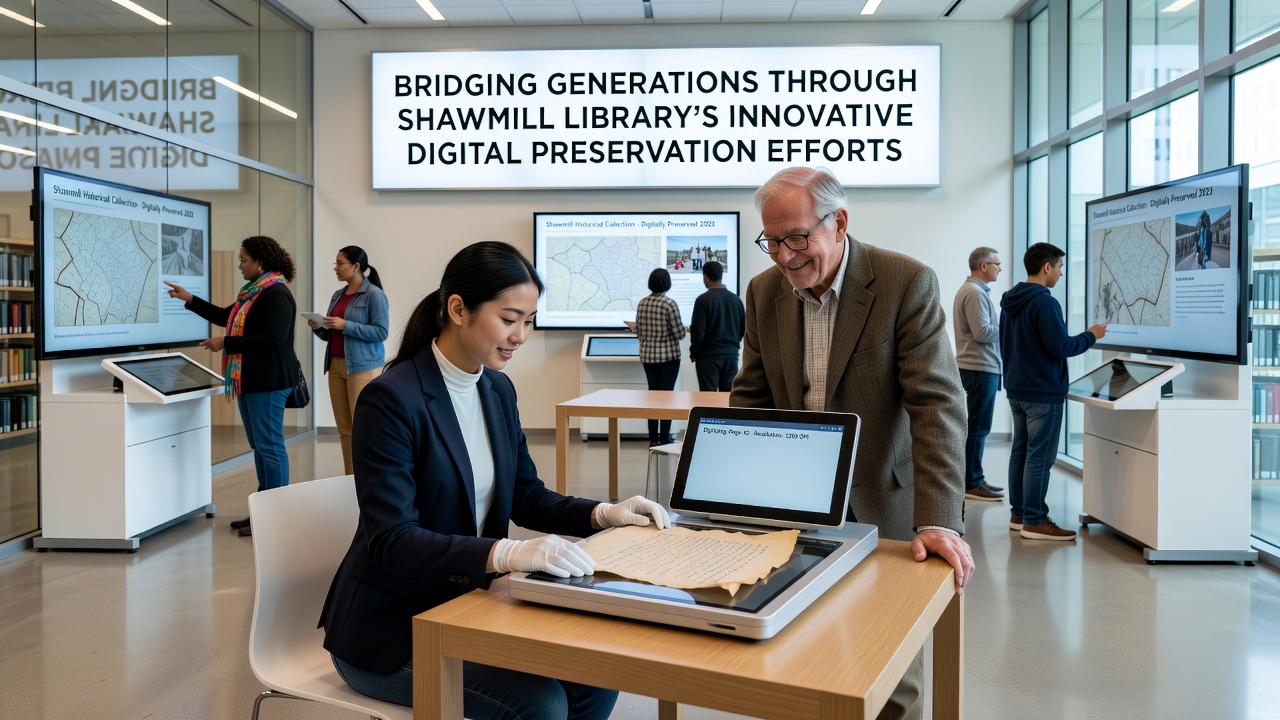
Shawmill Library launched its digital preservation program in early 2023 after securing grants from regional heritage bodies, and this initiative has since expanded to include high-resolution scans of local newspapers, photographs, and oral history recordings that date back to the 19th century. Staff members work with volunteers to catalog materials using standardized metadata protocols, which ensures that searches remain consistent across different platforms and future software updates will not break existing links. Data from the library's internal reports shows that more than 12,000 items entered the online repository by mid-2025, while community members accessed those files over 85,000 times during the same period. The project incorporates artificial intelligence tools to enhance faded images and transcribe handwritten letters, and researchers at nearby universities have tested similar methods on comparable collections with success rates above 90 percent for text accuracy. These technologies allow younger users to engage with material through augmented reality overlays that appear on mobile devices when visitors scan physical markers placed throughout the library building. Older residents, meanwhile, participate in weekly workshops where staff demonstrate how to navigate the digital interface without requiring prior computer experience.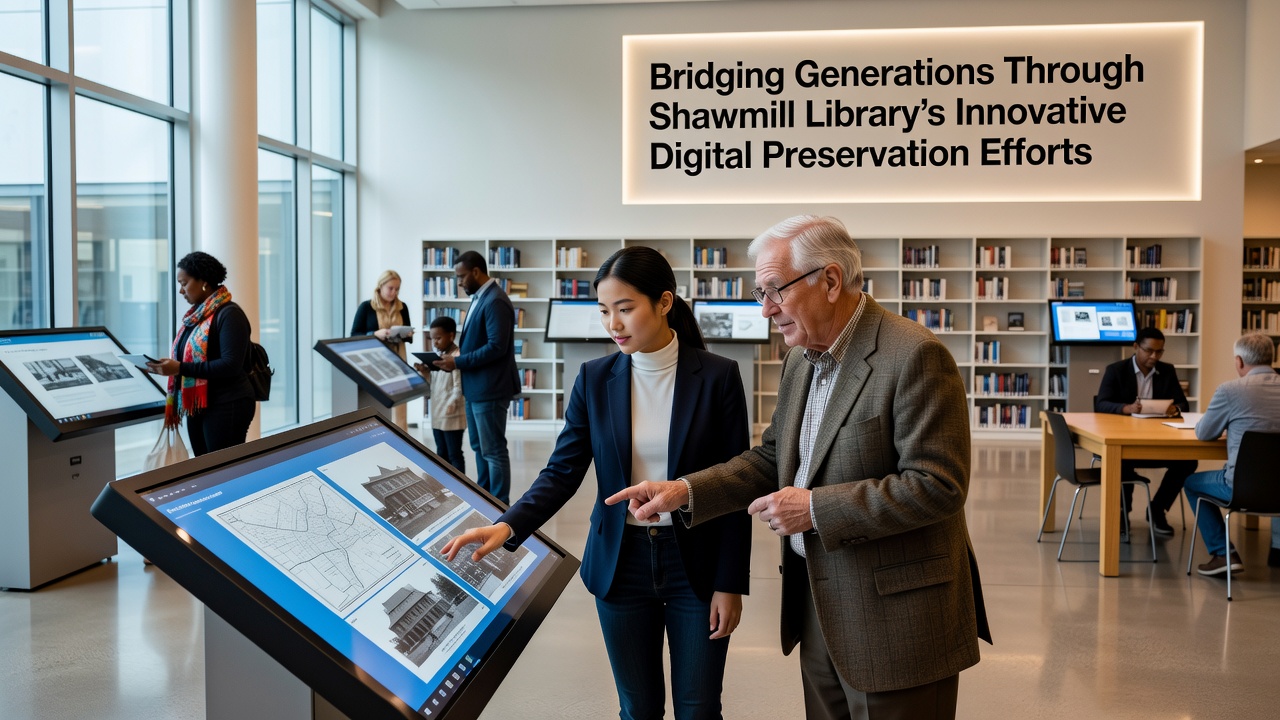
Shawmill Library launched its digital preservation program in early 2023 after securing grants from regional heritage bodies, and this initiative has since expanded to include high-resolution scans of local newspapers, photographs, and oral history recordings that date back to the 19th century. Staff members work with volunteers to catalog materials using standardized metadata protocols, which ensures that searches remain consistent across different platforms and future software updates will not break existing links. Data from the library's internal reports shows that more than 12,000 items entered the online repository by mid-2025, while community members accessed those files over 85,000 times during the same period. The project incorporates artificial intelligence tools to enhance faded images and transcribe handwritten letters, and researchers at nearby universities have tested similar methods on comparable collections with success rates above 90 percent for text accuracy. These technologies allow younger users to engage with material through augmented reality overlays that appear on mobile devices when visitors scan physical markers placed throughout the library building. Older residents, meanwhile, participate in weekly workshops where staff demonstrate how to navigate the digital interface without requiring prior computer experience.Community Workshops and Training Sessions
Training programs run monthly and cover topics from basic file navigation to advanced search techniques that incorporate date ranges and keyword combinations. Attendance figures indicate that 340 individuals joined sessions between January and August 2025, with roughly half falling into the 18-35 age bracket and the remainder over age 55. Partnerships with local schools integrate the archive into history curricula, so students complete assignments by cross-referencing digitized maps with current satellite imagery of the same locations. One study released by the Canadian Heritage Information Network in 2024 examined 14 comparable library projects across North America and found that institutions using AI-assisted transcription retained 30 percent more volunteer hours than those relying solely on manual entry. Shawmill Library adopted several of those recommended workflows, including automated quality checks that flag low-contrast scans for manual review before they enter the public database.September 2026 Expansion Plans
In September 2026 the library will release a new interactive portal that layers oral history audio clips onto geographic maps of Shawmill, and users can click specific streets to hear recollections from former residents who lived there decades earlier. Developers built the platform on open-source software to keep long-term maintenance costs low, while security protocols meet standards outlined by the European Union Agency for Cybersecurity. Preliminary testing with focus groups revealed that participants aged 65 and older appreciated the option to slow playback speed or view synchronized transcripts, features that emerged directly from feedback sessions held earlier this year. Additional content will include 3D models of historic mill machinery and public buildings that no longer stand, created through photogrammetry techniques applied to archival photographs. The models load in standard web browsers without extra plugins, which broadens access for users on older devices or limited internet connections.